
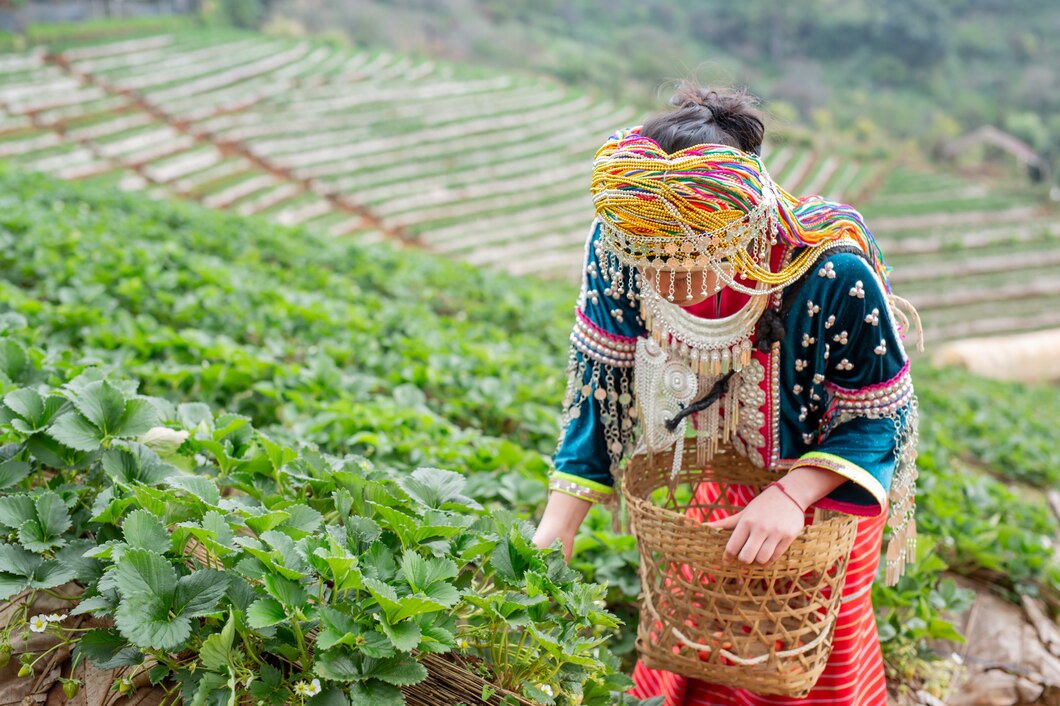
Harvesting in hills is not just an agricultural practice; it is an art form, shaped by the unique topography, climate, and cultural heritage of mountainous regions. The steep slopes, high altitudes, and cooler temperatures of the hills contribute to the production of crops that are often superior in quality compared to those grown in the plains. This unique environment, however, presents both opportunities and challenges for the farmers who call these hills their home.
Quality of Hill Crops
Crops grown in hill regions are often noted for their exceptional quality. The cooler temperatures at higher altitudes slow down the growth of plants, allowing them to develop deeper flavors and higher nutritional content. For instance, apples from Himachal Pradesh, tea from Darjeeling, and saffron from Kashmir are renowned for their rich taste, aroma, and health benefits. The pristine environment, with minimal pollution and abundant fresh water, also contributes to the purity and organic nature of these crops.
Additionally, traditional farming practices in hill regions often emphasize sustainability and biodiversity, further enhancing the quality of the produce. The use of natural fertilizers, crop rotation, and intercropping not only maintains soil fertility but also ensures that the crops are free from harmful chemicals, making them highly sought after in both domestic and international markets.
Importance of Harvesting in Hills
- Preservation of Biodiversity: Harvesting in hills often involves cultivating a variety of crops, which helps in preserving the region’s rich biodiversity. This is crucial for maintaining ecological balance and protecting endangered plant species.
- Sustainable Agriculture: The traditional farming practices employed in hill regions are inherently sustainable. They rely on natural resources and minimize the use of artificial inputs, ensuring that the land remains fertile for future generations.
- Economic Stability: High-quality hill crops command premium prices, providing a stable source of income for farmers. This economic stability is vital for the livelihoods of hill communities, many of whom depend solely on agriculture.
- Cultural Heritage: The process of harvesting in hills is deeply intertwined with the cultural practices of local communities. By continuing these practices, farmers help preserve their cultural heritage, passing down knowledge and traditions to future generations.
Challenges Faced by Hill Farmers
Despite the numerous benefits, hill farming comes with its set of challenges. The difficult terrain makes mechanization nearly impossible, leading to labor-intensive farming practices. Erratic weather patterns, including unpredictable rains and landslides, pose significant risks to crops. Additionally, limited access to markets and infrastructure further complicates the economic viability of hill farming.
Farmers in these regions often struggle with low yields due to poor soil quality and the limited availability of arable land. The high cost of transportation and lack of cold storage facilities also mean that a significant portion of the produce may go to waste before reaching the market. These challenges, coupled with the physical demands of farming in such a harsh environment, have led to a decline in agricultural activity in some hill regions.
Conclusion
Harvesting in hills is a practice steeped in tradition, sustainability, and quality. While the challenges are significant, the importance of this practice cannot be overstated. The high-quality crops produced in these regions are not only a source of livelihood for farmers but also a testament to the resilience and ingenuity of hill communities. By supporting hill agriculture, we can help preserve the rich biodiversity, cultural heritage, and economic stability of these regions for generations to come.



 You can also buy on
Leave a Reply